

Cover image open sourced from PickPik.
by Hannah Chuang
Wheaton College student Hannah Chuang wrote this poem for the college’s Aequitas Fellows Program in Sustainability, where she took a class with A Rocha USA’s Executive Director Ben Lowe. The poem wrestles with the beauty yet fragility of nature under the weight of human mistreatment. Below the poem, Hannah reflects on her evolving ethic of creation care.
Nature’s Symphony
Listen as nature composes a symphony,
Waves crash onto the sunlit sand,
 A breeze rushes to carry leaves midair,
Nightingales sing softly through the night.

Listen again, closely.
Crashing waves mask the groans of creation,
Gradually melting under the weight
Of a million footsteps that
Permanently etch into earth’s surface,
Prints that a wave cannot wash away.

Listen to oceans cry glistening red tears,
Sunsets momentarily drown these sounds,
Leaving nature with only silent defiance,
Unable to drown out our damage.
On a Creation Care Ethic
Often we can get caught up in how to pursue more sustainable actions and many other useful aspects of helping restore the environment. However, this can remove us from creation in a way that could decrease our appreciation of nature. I have learned that appreciating nature as an initial step can lead to a deepened desire to connect with nature, which ultimately increases motivation to care for creation aside from a more vague moral obligation to do so.
This poem is a reminder to engage with creation while also finding ways to care for it. I have been inspired by the ocean throughout my life. It can show us God’s power and also increase our appreciation of beauty. However, I thought that simply writing about the beauty of creation might cause environmental issues to seem less important. I tried to include how creation has been drastically affected by our actions in a negative way, which should lead us to care even more for creation and be more mindful of our impact on the environment.
Where the Poem Began
I wrote this poem during my freshman year at Wheaton College while taking an introduction to sustainability course as part of the Aequitas Sustainability program. Learning more about sustainability during these past couple years, I have been constantly reminded of the devastating state of our environment caused largely by humanity’s carelessness or indifference.
Spending two months this past summer in the Black Hills of South Dakota has also drawn me closer to creation. I experienced how developing a tangible care for creation must begin with tangible interaction with creation. The Black Hills land is considered sacred to the Lakota people, whose origin story is rooted heavily in the physical land. I found that even simply learning their perspective towards creation was very inspiring personally to respect creation even more.
In addition to learning about native culture and history, we had many projects focused locally at the Wheaton College Field Station. We listened to the birds, measured carbon sequestration of ponderosa pine, and also had individual time to spend with nature observing and reflecting on one specific place.
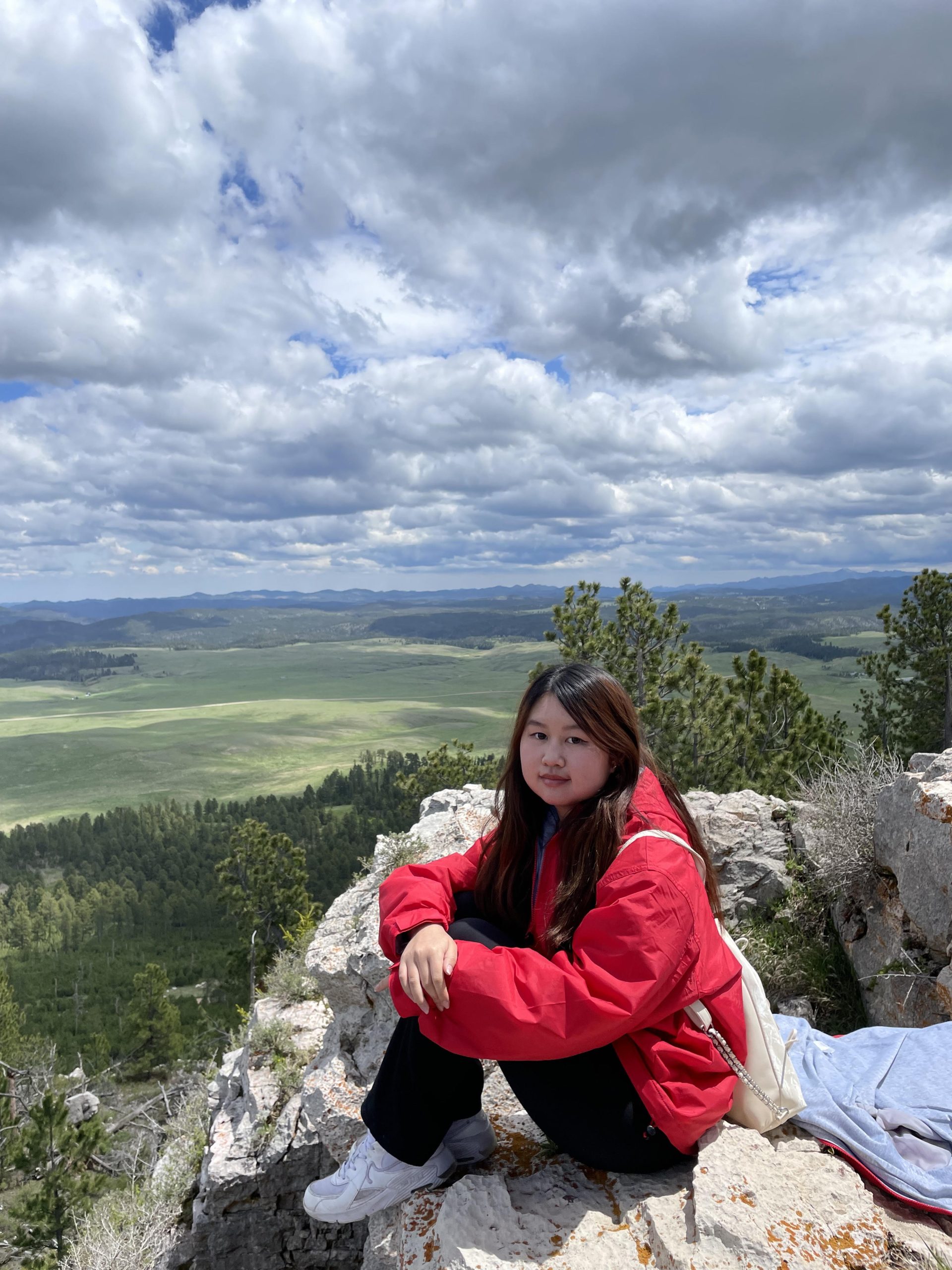
This immersive experience with nature, especially since I have spent most my life in the city, encouraged me to continue pursuing creation care. My poem above was a starting point in writing about my creation care ethic, however I have also accumulated much material to hopefully expand my writing.
How It Ends
Although the ending line of my poem is undoubtedly sobering, it reflects the equally alarming and irrevocable state of our current environment. Despite well-intended efforts to conserve ecosystems, slow down global warming, and decrease greenhouse gas emissions, the scale of human damage has become irreversible.
If I were to revise this poem now, I might add a stanza with a more hopeful tone since many modern day narratives related to climate change are predominantly negative. These disheartening narratives can turn people away from tangible ways of caring for creation. Incorporating a call to action while still recognizing the tragic consequences creation has suffered because of humanity would be a possible way forward for this poem. I would also tie the ending back to my ethic of creation care, closing with the stanza below:
As the symphony fades,
Bright capsules above mark time past,
Faint reminders of our finite time,
Light that urges us to prepare for
Promises of a new creation.

Hannah Chuang a sophomore at Wheaton College studying English writing and sustainability. She was born in Michigan but grew up in Shanghai. Experiencing both cultures has shaped both her perspective and character.
Add a Comment