
Welcome back to our blog series of Q&As with our staff. As our team has grown in recent years, this is a chance to get to know some of our stories and quirks. Caring for creation and equipping others to do likewise is so much more meaningful — and fun — when done as a team!
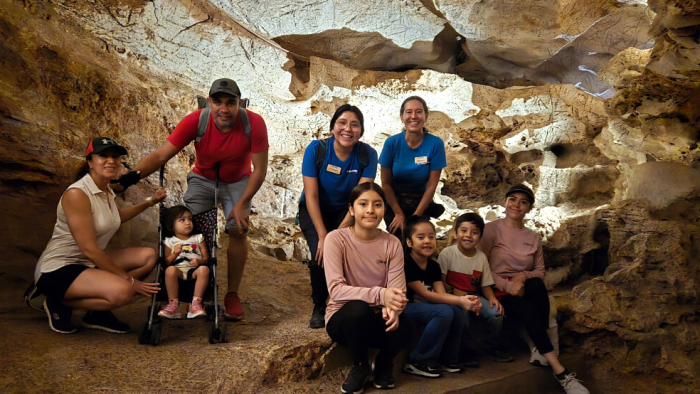
Photo caption: A Rocha USA Environmental Educator Jenny Ramirez (at center, in blue and with glasses) at a Picnic en el Arroyo at Longhorn Cavern State Park.
For more information about our Picnics program, watch our video “Everyone Belongs in Nature“!
What drew you to A Rocha?
Joining the “Picnics en el Arroyo” program felt like a natural fit. This role lets me live out my strengths: adapting, learning, and creating spaces where families feel included. I love helping families in Central Texas feel at home as they explore the beautiful Hill Country.
When did the connection between faith and environmental work first “click” for you?
The connection grew through my work in environmental education. I’ve come to see caring for the environment not just as scientific work, but as love, responsibility, and care for our places and communities.
What’s your favorite species and why?
It’s hard to choose just one! I love Texas Redbuds for their edible pink blooms. It’s the first sign of spring and warmer days. Blue-eyed Grass has these small, gorgeous blue flowers, and I love Pearl Milkweed for the little “pearl” at its center. It’s also a host plant to the Queen and Monarch Butterflies.
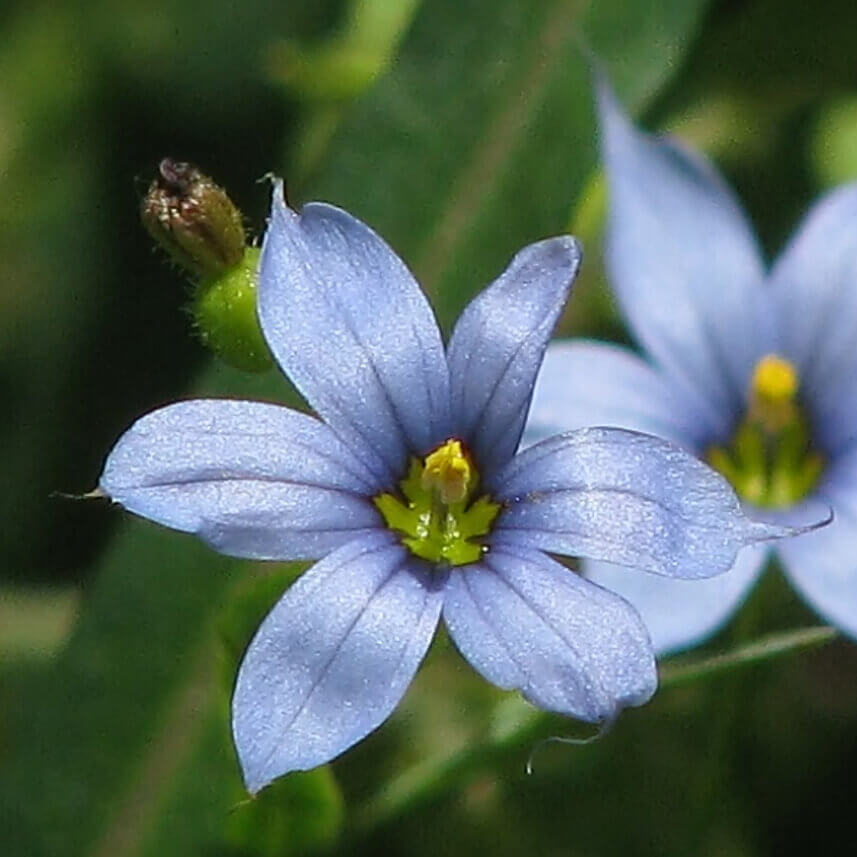
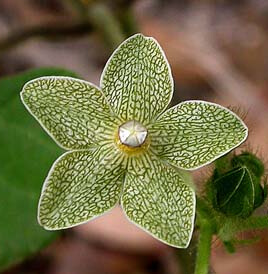
(L) Blue-Eyed Grass (Genus Sisyrinchium), by Vicki DeLoach. (R) Pearl Milkweed (Matelea reticulata), by Len Blumin. Flickr, (CC BY-NC-ND 2.0).
What places are near and dear to your heart?
The Texas Hill Country. I’ve spent a lot of time there, and it’s really shaped my connection to native plants and outdoor spaces.
What training/background do you bring to this work?
I studied botany and also have experience in microbiology and data analysis. Now I focus on environmental education and outreach, creating programs that connect our communities with nature.
What are the most challenging aspects of your work?
Making sure programs are accessible and that families feel like they belong in these spaces. There are a lot of barriers that affect participation, so that’s always something I’m thinking about.
What are the most rewarding aspects of your work?
The most rewarding part is seeing families build a connection to nature over time. I’ve had the chance to see kids grow up in these programs, and it’s really special to see their interests and confidence develop year after year.
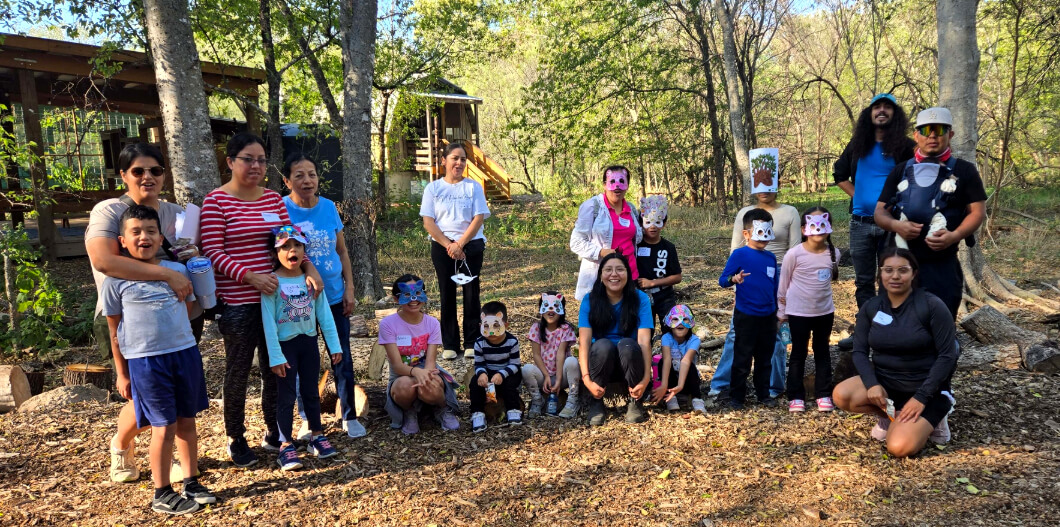
Picnic en el Arroyo at Circle Acres, November 2025.
What are some ways you see A Rocha’s work bringing life to your local ecosystems?
Through restoration, education, and community. In Central Texas, we’re part of a land restoration project in the Bull Creek watershed, where we remove invasive species and reintroduce native plants to support biodiversity. Through Picnics en el Arroyo, we connect families to nature through bilingual, outdoor experiences. In our upcoming tree-planting projects, we’re partnering with faith leaders and communities to build tree canopy and reduce heat in urban areas that need it most.
Together, these projects build connections between people and places, building a sense of care and belonging.
What keeps you going when faced with all our overwhelming ecological problems?
Moments of curiosity, learning, and connection, especially with kids and families. It serves as a reminder that this work matters, and that change often starts locally.
What is a little-known but fun fact about you?
I competed in powerlifting in college, and my team won a collegiate national championship.
For more information about our Picnics en El Arroyo program, watch our video “Everyone Belongs in Nature“!