
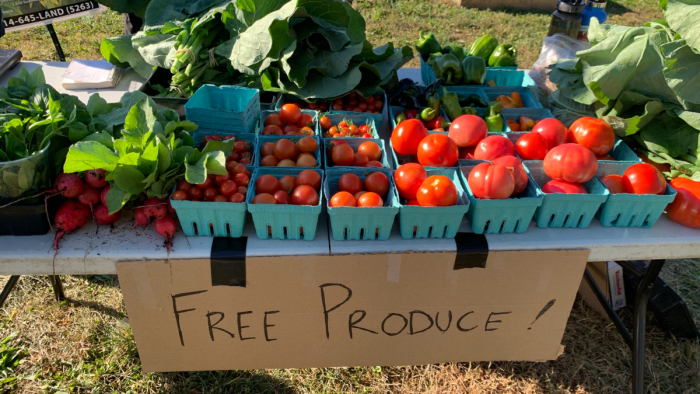
Header image portrays a produce stand from the volunteers at Vineyard Columbus church.
by Noah Guthrie
Our Churches of Restoration program helps participating churches integrate care for God’s creation into their congregational lives. These past two years, we have worked with over 50 churches from a diverse range of denominations, regions, and cultural backgrounds. Each church brings its own unique story and circumstances, and each pursues carefully chosen actions, large or small, to take a step forward to care for God’s creatures and landscapes.
This is the story of one participating congregation in Columbus, Ohio, known as Vineyard Columbus. Their creation care team — including Ellen Yahnke, Jim Strider, and Community Outreach Pastor Jenney Rice, in addition to many other volunteer gardeners and creation caretakers — has done so much to feed their neighbors and God’s broader creation.
Special thanks to Ellen, Jim, and Jenney for sharing their creation care story with us, as well as many photos. All of the pictures in this post come from Vineyard Columbus’s creation care team.
In Feeding, We Are Fed
At precisely the wrong moment, a prophet appears. It’s a hot day in the drought-stricken town of Zarephath, and a Sidonian widow is gathering sticks to bake the last of her flour into a meal for her son. Then, out of nowhere, a travel-worn Israelite asks the woman for bread and water. He even has the gall to insist that she feed him before feeding her son.
But when the widow gives the prophet his bread, she finds there’s more than enough flour in her jar to feed herself and her son. Another day passes, and the flour persists. Day after day, the flour continues to multiply, and the woman feeds herself, the prophet Elijah, and her son.
This story from 1 Kings 17 is a prime example of a subversive biblical principle: it is in feeding others that we are fed. The same principle holds in the world of creation care, as is evident in the stories of the creation care team of Vineyard Columbus, a member of A Rocha USA’s 2025-26 Virtual Churches of Restoration cohort.
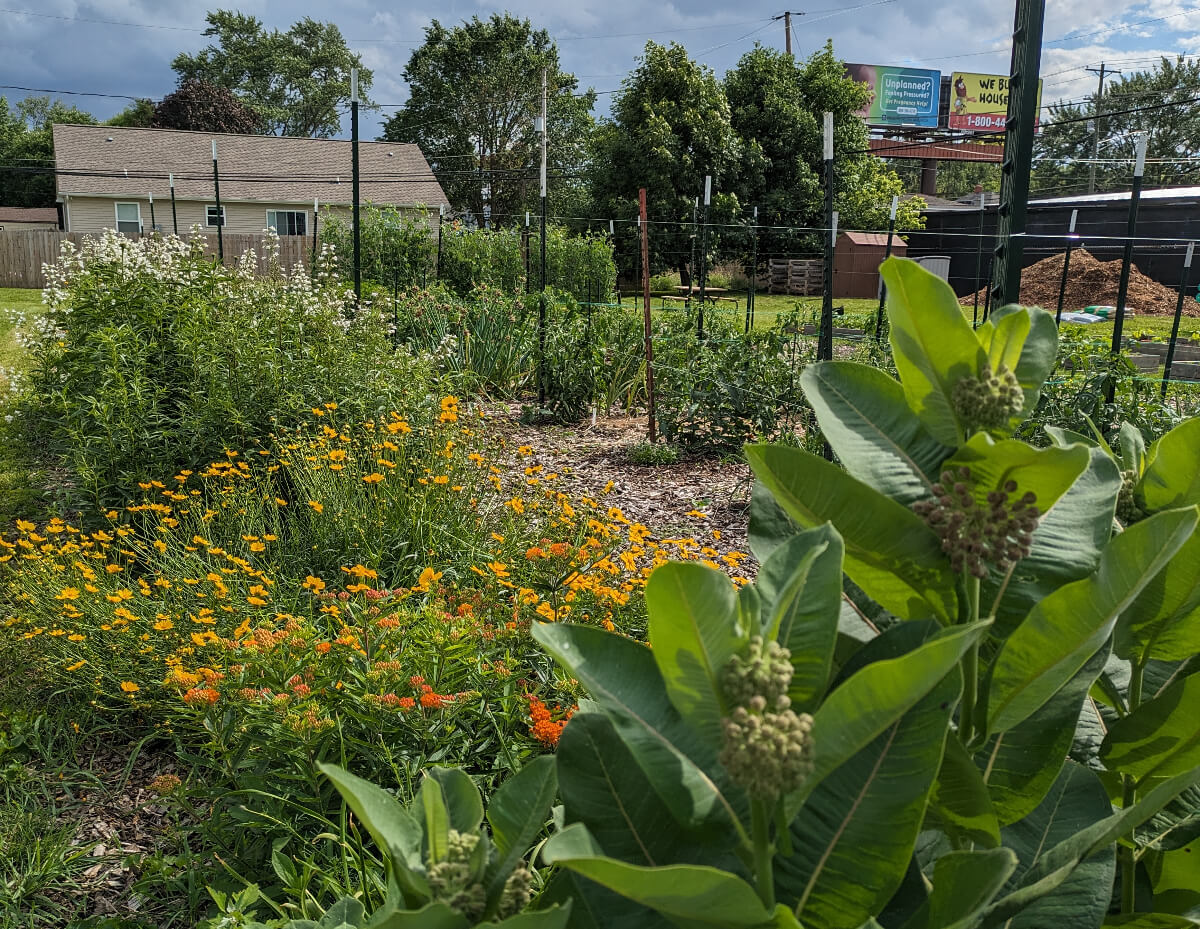
One of Vineyard Columbus’s gardens.
From Drought to Harvest
“In 2020 or 2021,” Ellen Yahnke recalled, “middle of pandemic, I was just feeling very disconnected… from church, from God, from community.” But Ellen had always loved nature, so when she saw a posting for Vineyard Columbus’s creation care ministry on Instagram, she jumped at the opportunity. “It was definitely one of those coincidences that couldn’t be anything but God,” she affirmed.
Along with a small group of dedicated volunteers, Ellen now helps to tend Vineyard Columbus’s two church gardens. Last year, they collected over 2,000 pounds of produce and donated it to neighbors in need. Up from the well-loved earth came tomatoes, okra, onion, garlic, and collards, an abundance to share with their community.
“It’s been incredibly gratifying and humbling to be with other like-minded Christians who see the whole, the care of all, as what God is calling us to.”
– Ellen Yahnke, from the Vineyard Columbus creation care team.
On the edges of their first garden, Ellen also helps to nurture a border of pollinator plants and a prairie habitat designed and established by another member of the garden team. “The amount of goldfinch song we hear throughout the summer and fall because of the seeds left behind is incredible,” she marveled.
Like the widow of Zarephath, Ellen found herself in a season of drought and hunger. Yet, as she raised up food for the goldfinches and the broader community, she was filled. “It’s been incredibly gratifying and humbling,” she shared, “to be with other like-minded Christians who see the whole, the care of all, as what God is calling us to.”
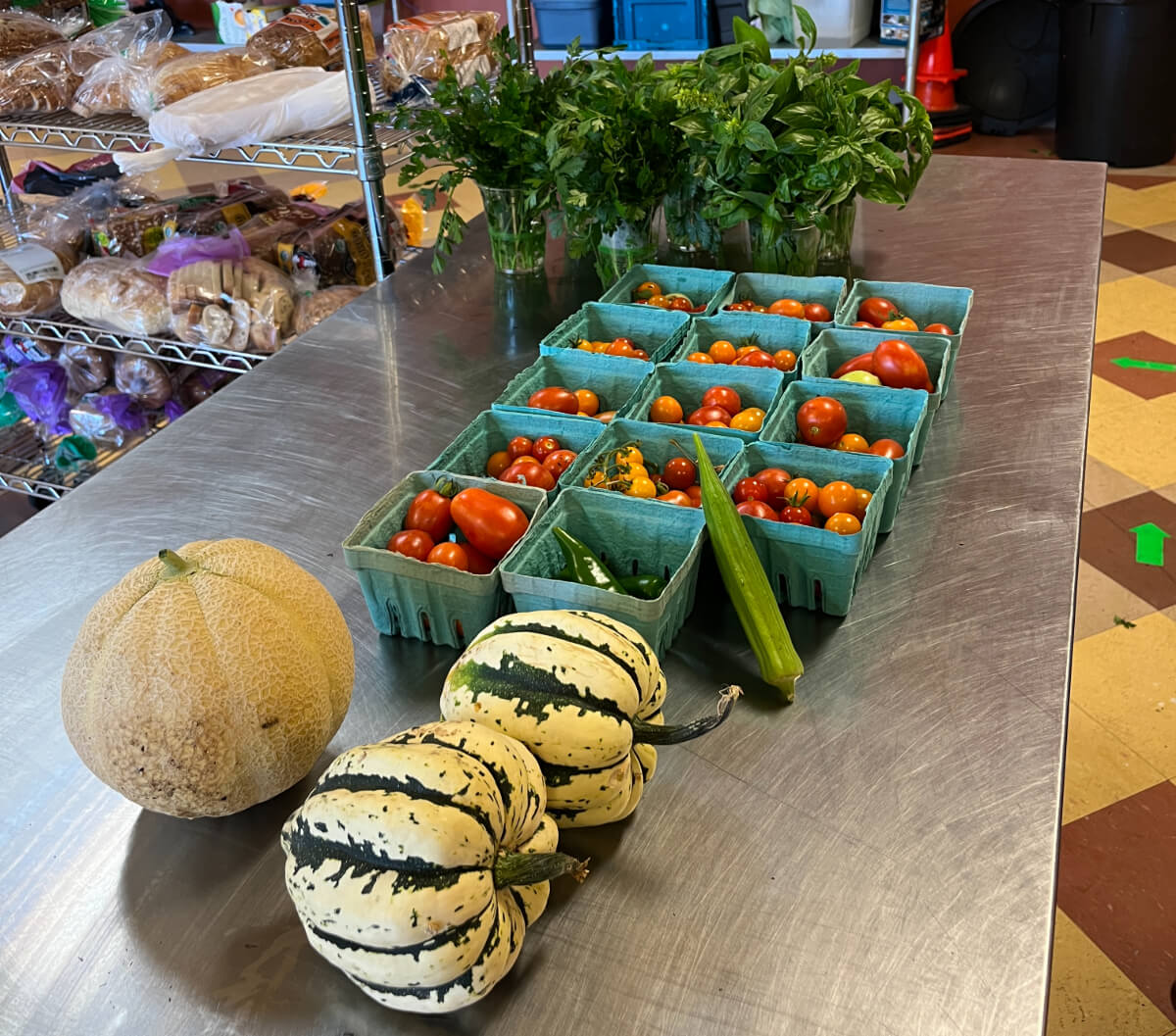
Produce from one of Vineyard Columbus’s gardens.
Food for All Nations
Where exactly does the food from these church gardens go? About 80%, it turns out, goes to the church’s food pantry, which was part of Jim Strider’s own introduction to the creation care team.
Jim’s wife passed away in 2022, and in the subsequent season, he became deeply involved with Vineyard Columbus’s food pantry. Most of the pantry’s customers are immigrants. From Haiti, Nepal, Bhutan, and multiple African countries, these new neighbors come and are filled. Jim, like Ellen, responded to his emptiness by finding ways to feed others.
“As I was doing that,” Jim recalled, “I noticed from time to time volunteers coming in with all this great produce.” These vegetables had come from one of their church gardens, and this offering of healthy, local food to the hungry made an impression on Jim. In April 2023, around Earth Day, he came across an invitation in the church newsletter from their Community Outreach Pastor, Jenney Rice, to get involved with the creation care team. So, he decided to join in.
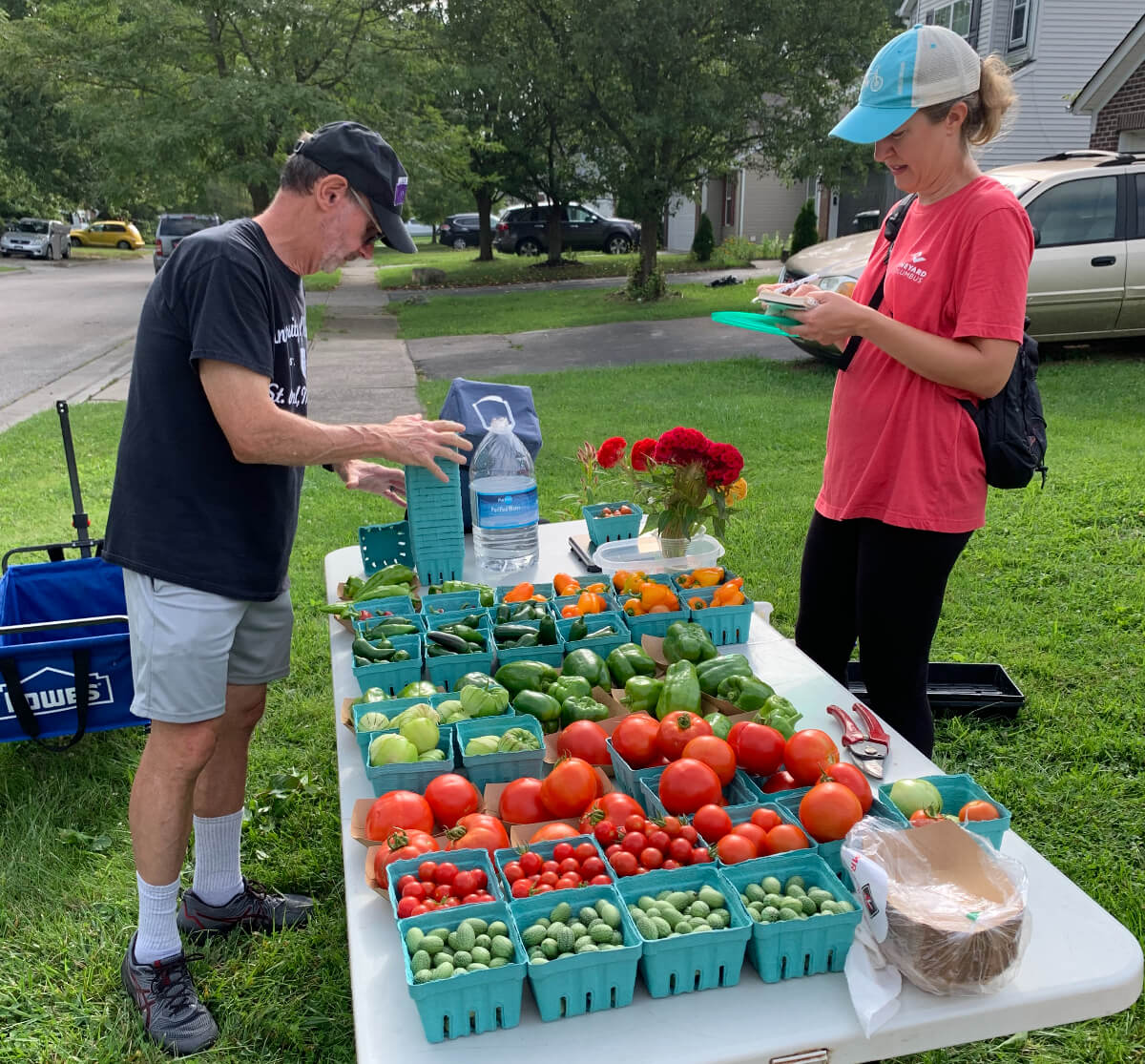
Two volunteers at a vegetable stand of Vineyard Columbus.
Commenting on her team’s creation care work, Jenney said, “I love being one of those folks who reshapes the way people are thinking about the local church.” Gardens, recycling, sustainability, you name it: it’s all Gospel work. “And they’re like,” Jenney chuckled, “‘What, the church does that?’”
A Growing Creation Care Community
Together with other members of their team, Jenney, Jim, and Ellen pursued two linked projects as part of their involvement with the Churches of Restoration program: a series of creation care conversations, and a Garden Club.
On Wednesday nights between fall 2025 and February 2026, the team facilitated creation care discussions with the church community, exploring topics like mindful eating and waste reduction. Then, from February on, they invited people from those same conversations to join their Garden Club, which involved learning the basics of gardening and getting directly involved with their church gardens.
Ellen emphasized their projects’ focus on open dialogue. As they hosted their initial creation care conversations, they aspired to simply “start the discussion in a way that [invited] people to think more and to learn more,” rather than just lecturing and “trying to be right.” The creation care team was delighted to find that this hospitable, dialogic approach brought all sorts of new church volunteers to their gardens in 2026. Ellen believed she saw about double or triple the amount of people showing up to their events than in past years, which was “very, very cool to see.”
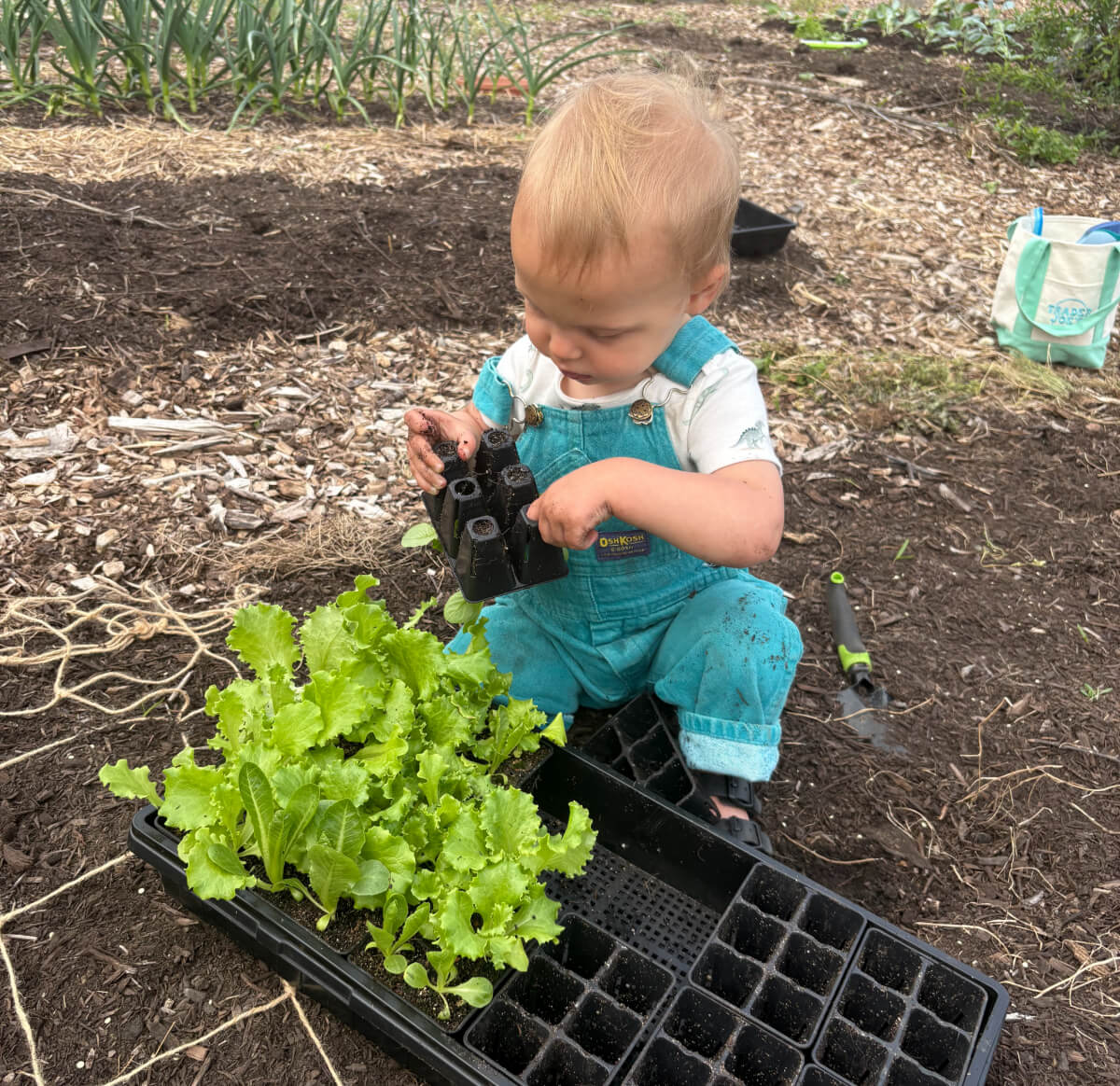
A young volunteer at the garden.
Reflecting on his experience of the Churches of Restoration program, Jim commented that one thing he found “very, very helpful” was “just learning, seeing, or hearing from other churches that are doing some of these [creation care] types of things.” He was particularly inspired by the story of Gerry Koning, a pastor whose congregation ministers to their local Rush Creek by cleaning up litter and gathering data on mussels. The Vineyard Columbus creation care team expressed hopes to have further conversations with Gerry and other creation caretakers that they met through the program.
This is another aspect of the widow of Zarephath’s story that may be easy to overlook: a growing community. When the widow fed Elijah, she not only found what resources she needed to feed her son, but also welcomed a new member into her household, who continued to offer his companionship and comfort to her little family.
This is the nourishment we can find as we serve creation. As we feed the goldfinches, our hungry hearts are filled. As we serve in the garden and the kitchen, we find ourselves integrated not only in the global community of creation caretakers, but in the community of all God’s beloved creatures.
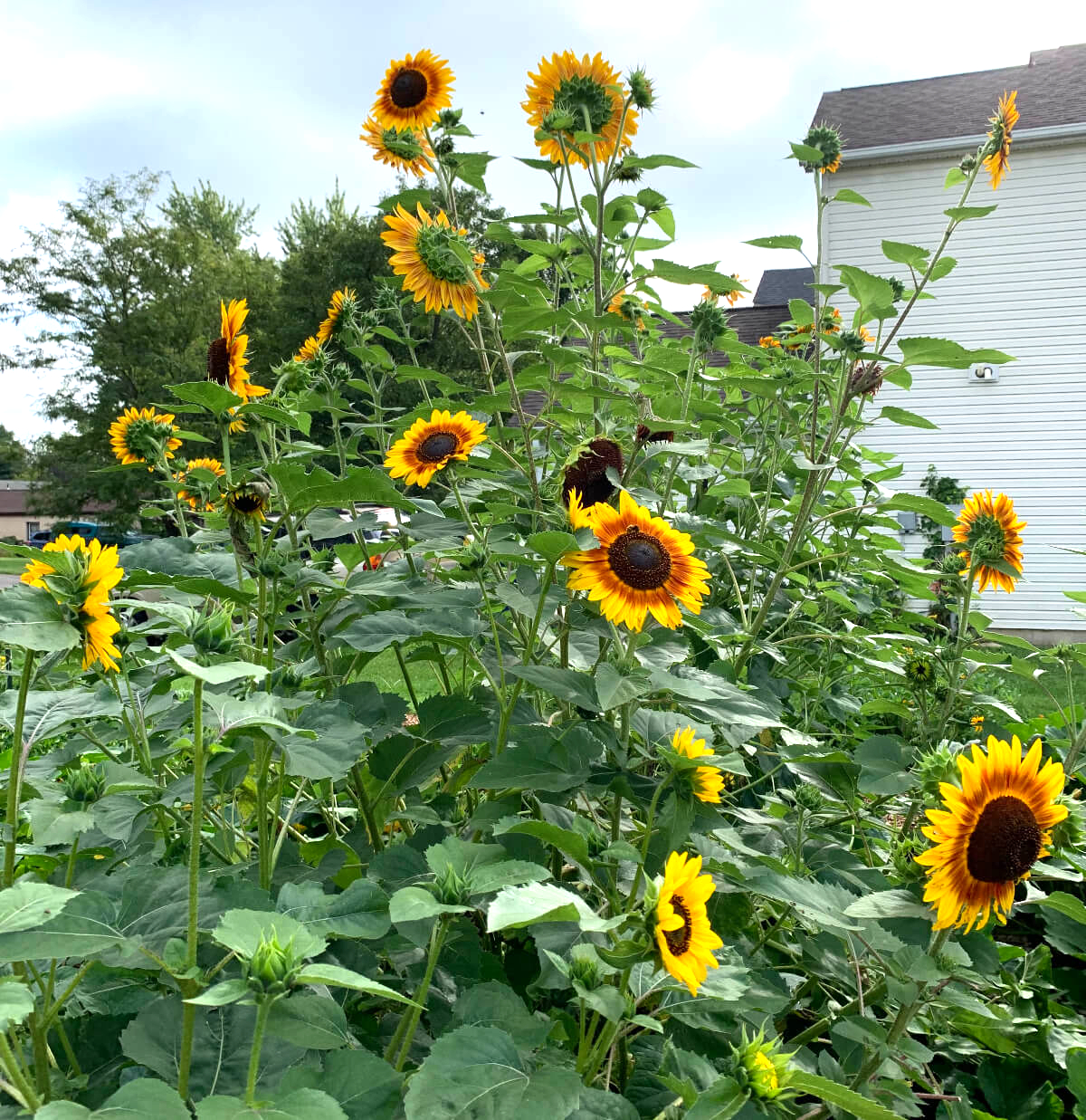
Sunflowers of Vineyard Columbus.
Add a Comment