
By Gracie Bartley, 2025-26 Church and Conservation Intern
Gracie Bartley is interning at our Texas Conservation Project this spring, working with the restoration of the Bull Creek watershed and our Austin-based Picnics en el Arroyo program. In this blog, she describes some of the barriers to and benefits of connecting local immigrant families to outdoor spaces.
For more about our Picnics program, watch our video “Everyone Belongs in Nature.”
Into the Wild
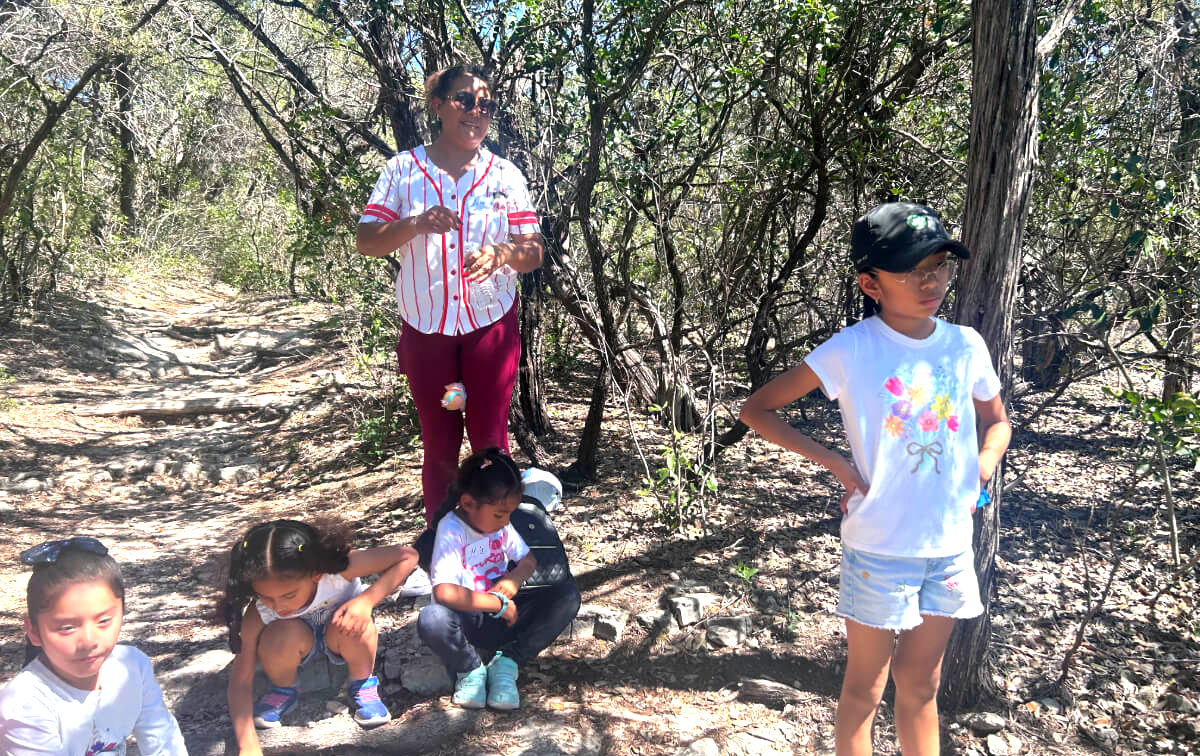
On a warm spring morning, A Rocha USA staff members welcome families as they arrive at the Wild Basin Wilderness Preserve in Central Texas. Parents and kids, from teenagers to toddlers, embark on a guided hike through an Ashe Juniper forest, stopping along the way to learn about ancient marine fossils and diverse native wildlife. A young boy points out a cluster of Blackfoot Daisies to his father, marveling at one of the many blooms ushered in by spring.
Arriving at the waterfall, the group pauses to enjoy the sound of running water and observe a family of turtles lounging on a log. Back at the Visitor Center, kids and parents participate in a creative activity about bird migration, sharing their perspectives through stories and art. For many families, outings like this are more than just a fun day at the park; they are opportunities to experience nature together in ways that might not otherwise be accessible.
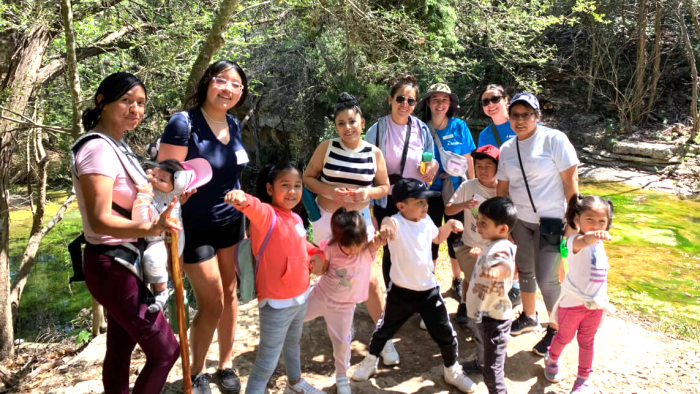
Picnickers at the Wild Basin Wilderness Preserve, March 2026.
Peer-reviewed reports and studies indicate that spending time in nature can have meaningful benefits for our well-being. When nature is a regular part of our lives, we can experience improved mood, reduced stress and anxiety, better cognitive functioning, and even improved sleep. Time outdoors encourages us to be more productive, active, creative, and engaged in our communities. Just as importantly, direct experiences with the natural world lead us to more deeply appreciate it.
Despite these benefits, access to outdoor spaces and recreation is not equally available to everyone. For many, green spaces may feel unfamiliar or out of reach, particularly for low-income and disadvantaged communities in dense urban areas. Socioeconomic and linguistic barriers can also make it difficult for families to spend time outdoors. For example, many outdoor programs are only offered in English, and some activities, like camping, birding, or fishing, require purchasing or renting equipment. By result, many people have fewer opportunities to develop meaningful connections with their natural environment.
The Importance of Childhood Nature Connections
For educators and conservationists, an important question arises: how can we help people reconnect with nature in ways that are accessible, welcoming, and lasting?
For many, this connection begins in childhood. Our early experiences play an important role in shaping what we believe about ourselves, our communities, and the world around us. Childhood experiences in nature, in particular, can have a lasting influence.
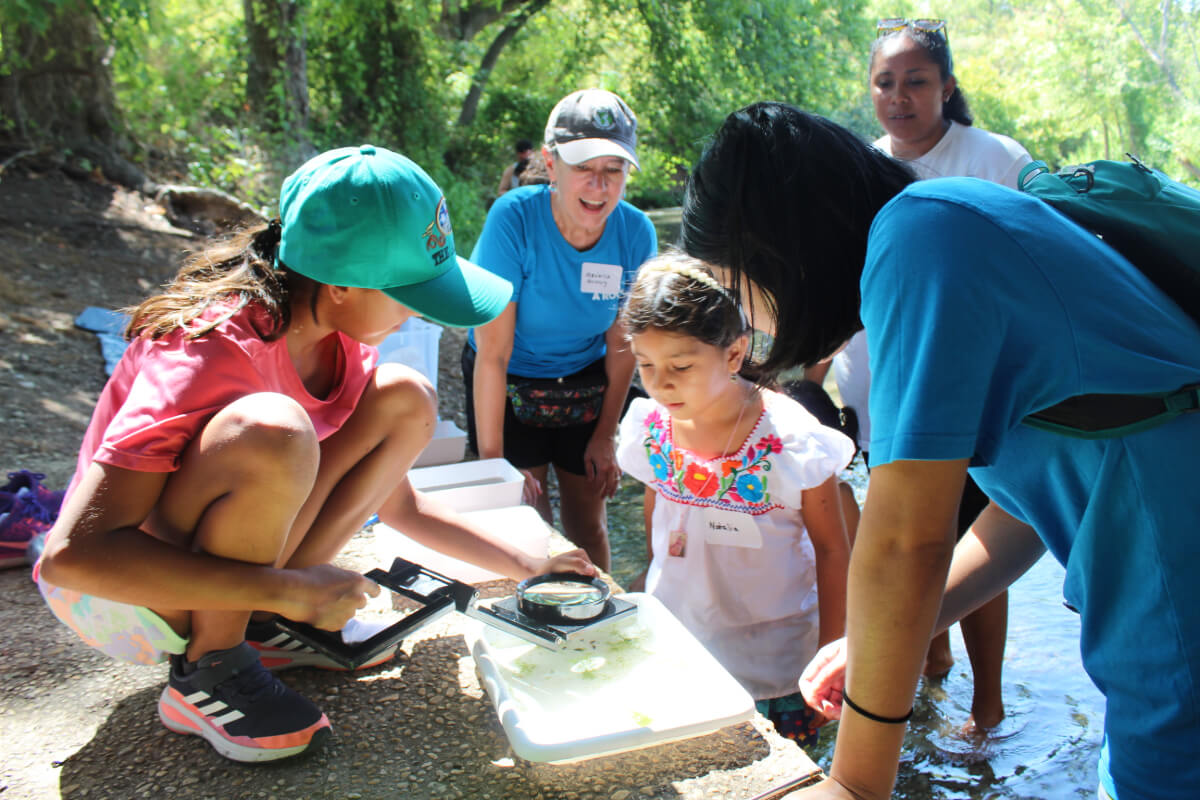
Young picnickers studying aquatic species.
Facilitating these experiences is a vital goal for environmental education and outdoor recreation programs. According to the Children & Nature Network, positive direct experiences in nature during childhood are one of the key factors in developing a pro-nature perspective. Over 40 years of research suggests that adults who spent meaningful time outdoors as children are more likely to engage in conservation-related behaviors later in life. These behaviors include recycling, reducing consumption, conserving energy, participating in restoration efforts, and even considering environmental issues in civic life.
Another key factor is the presence of role models who demonstrate care for the natural world. Often, these role models are people close to the child, such as parents, grandparents, or guardians. While environmental educators and volunteers can give inspiring examples of pro-nature attitudes, they typically don’t have the same long-term, trusted relationship that family members or guardians have with a child.
Additionally, research in child development consistently highlights the family as one of the most influential contexts in which children form their values, beliefs, and behaviors. Because of this, efforts to foster pro-nature perspectives benefit from involving and equipping families alongside children.
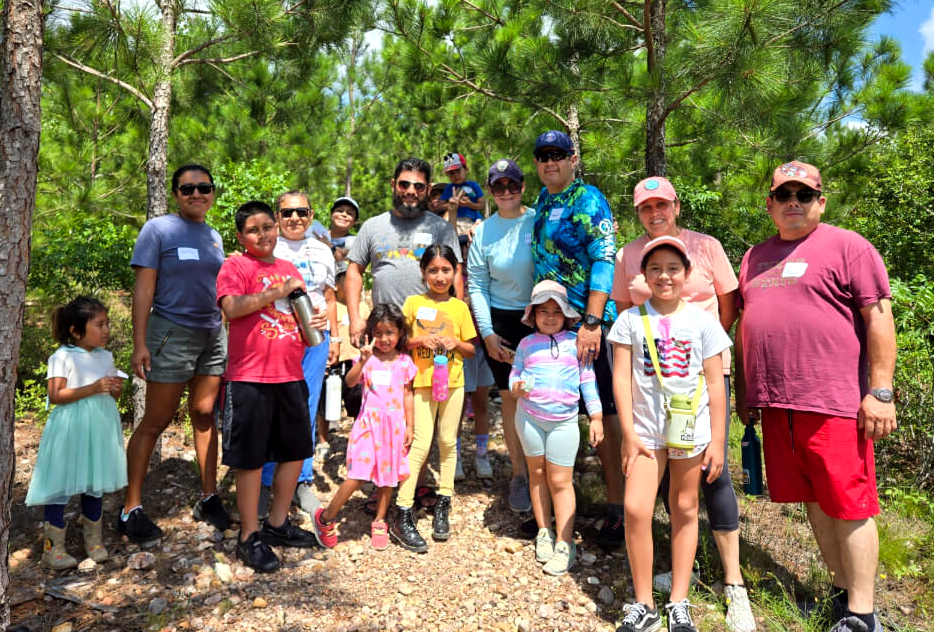
Picnicker families in nature.
There are many outdoor education programs that empower children to explore nature. Some programs are also creating space for entire families to participate together. A Rocha USA’s Picnics en el Arroyo is one such program, offering outdoor experiences that are intentionally designed for Spanish-speaking families.
Sharing Nature’s Benefits with More Austin Families
Picnics en el Arroyo offers free, safe, and supported access to parks for underserved Hispanic families in the Austin area. Together, families explore the biodiversity of natural areas with access to water through games, hikes, and hands-on activities. Through these positive experiences in nature, the program empowers its participants to spend more time outdoors.
Family participation can be powerful, and not just for children. According to the Children & Nature Network, many people, especially those with little or no direct experience with nature, need and benefit from the company of family and friends to inspire joyful time outdoors. Additionally, family-based nature activities can promote positive family functioning more than any other type of leisure activity. Research on family-based nature clubs has demonstrated benefits like family bonding, enhanced confidence and creativity, and increased connectedness.
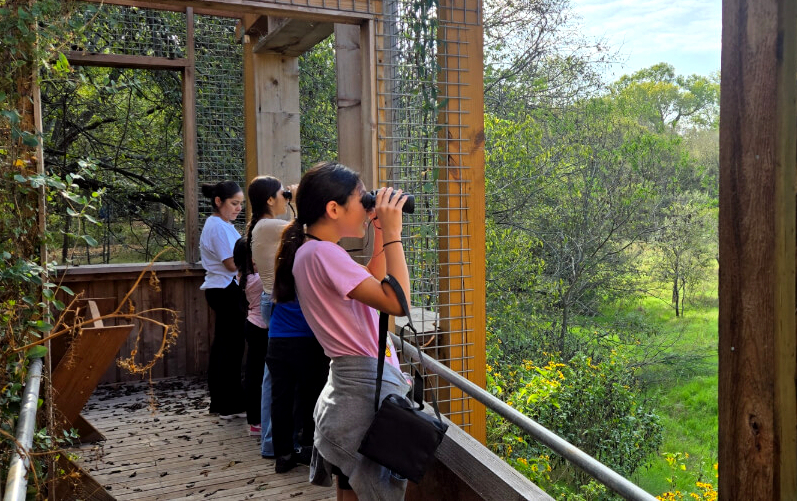
Picnickers exploring a local green space.
People of all ages who regularly participate in nature-based activities often report improved overall well-being and stronger feelings of connection, both to the natural world and to one another. In follow-up surveys, Picnics en el Arroyo participants describe feeling more creative, relaxed, joyful, energized, and connected after spending the day outdoors together. These shared experiences can help foster a sense of belonging to a place and a community. When we feel connected to a place, we are often more motivated to care for and protect it.
Even though connecting with nature is good for families and good for the earth, accessing these opportunities is not always easy. Parents who participate in Picnics en el Arroyo often report facing barriers that prevent them from spending more time in nature. In 2022-2023, A Rocha USA’s Texas team conducted a survey of 17 Hispanic families. While 94.7% of families valued spending time outdoors, only 23% visited green spaces weekly, citing barriers such as lack of time, limited financial resources, and limited access to information in their primary language.
Finding a Sense of Belonging in the Natural World
Programs like Picnics en el Arroyo help families to overcome these barriers by offering free, accessible, and fun outdoor experiences. One Picnics participant shared, “I love the support they offer for going out with family, and the opportunity to discover new places.” Through structured time spent outdoors, families strengthen their bonds with each other and find a sense of belonging in the natural world.
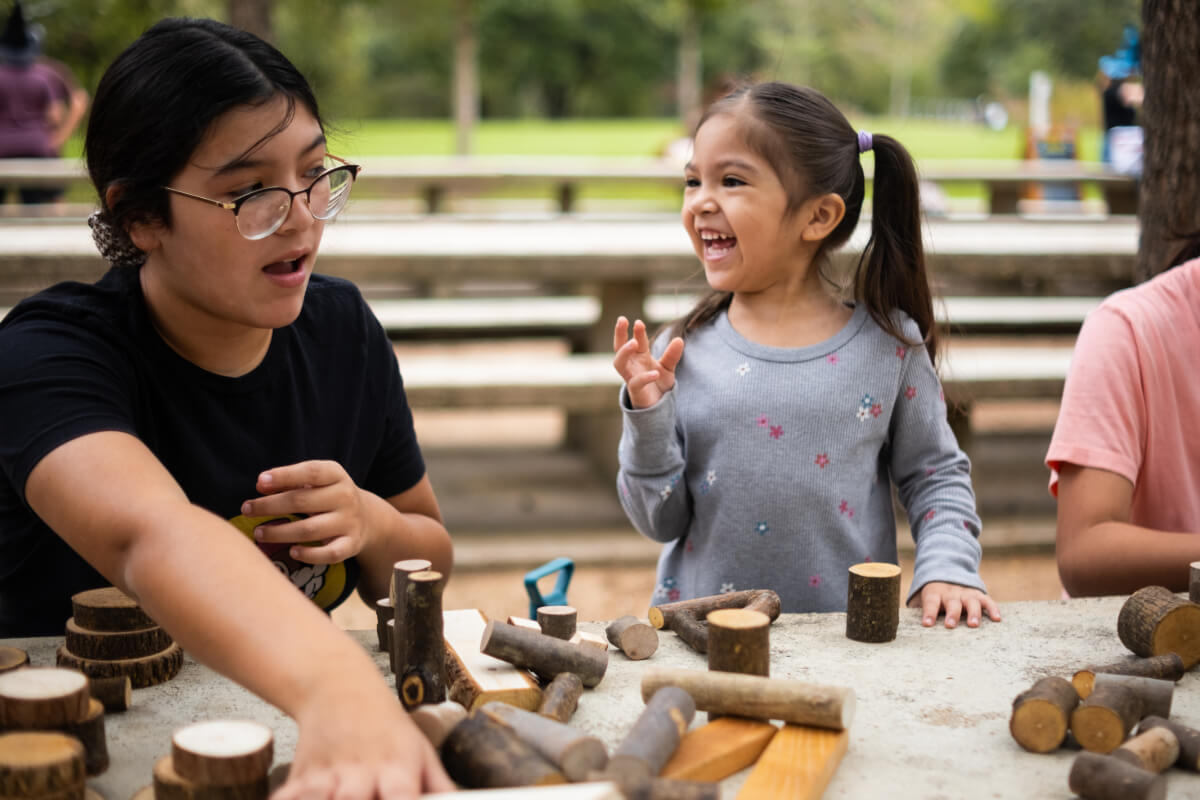
Picnickers bonding through an outdoor activity.
These experiences build parents’ confidence and empower them to spend more time with their families in nature beyond the Picnics events. Surveys collected from participating families between 2023-2025 reveal that 95% of returning families reported more frequent visits to green spaces. In event evaluations, 83.6% expressed greater confidence leading their households in outdoor experiences. One participant said, “I love spending time with my family and other families. Sometimes I don’t feel like going out, but Picnics en el Arroyo motivates me and helps me have special moments with my family.”
When families experience joy and connection in nature together, they are not just creating special memories; they are building relationships with the natural world that can have a lasting impact.