by Ian Massey, 2024/25 Church and Community Conservation Intern for A Rocha USA
In our increasingly digital and standardized world, education is often disconnected from the places and communities that shape students’ lives. Place-Based Education (PBE) offers a powerful antidote to this growing disconnect, providing a learning framework that is deeply rooted in the local environment, culture, and community. Through PBE, we can help students reconnect with the natural world and understand their responsibility as stewards of God’s creation.
As a Church and Community Conservation Intern with A Rocha USA, I witnessed firsthand how PBE can bridge the gap between students and the environment. A Rocha USA is centered on fostering faith-based environmental stewardship, caring for creation not just as a moral responsibility, but as an act of love and worship. In this blog, I’ll explore why PBE is not only a vital educational approach but also a pathway to developing a generation of individuals who are engaged, environmentally responsible, and committed to their communities.
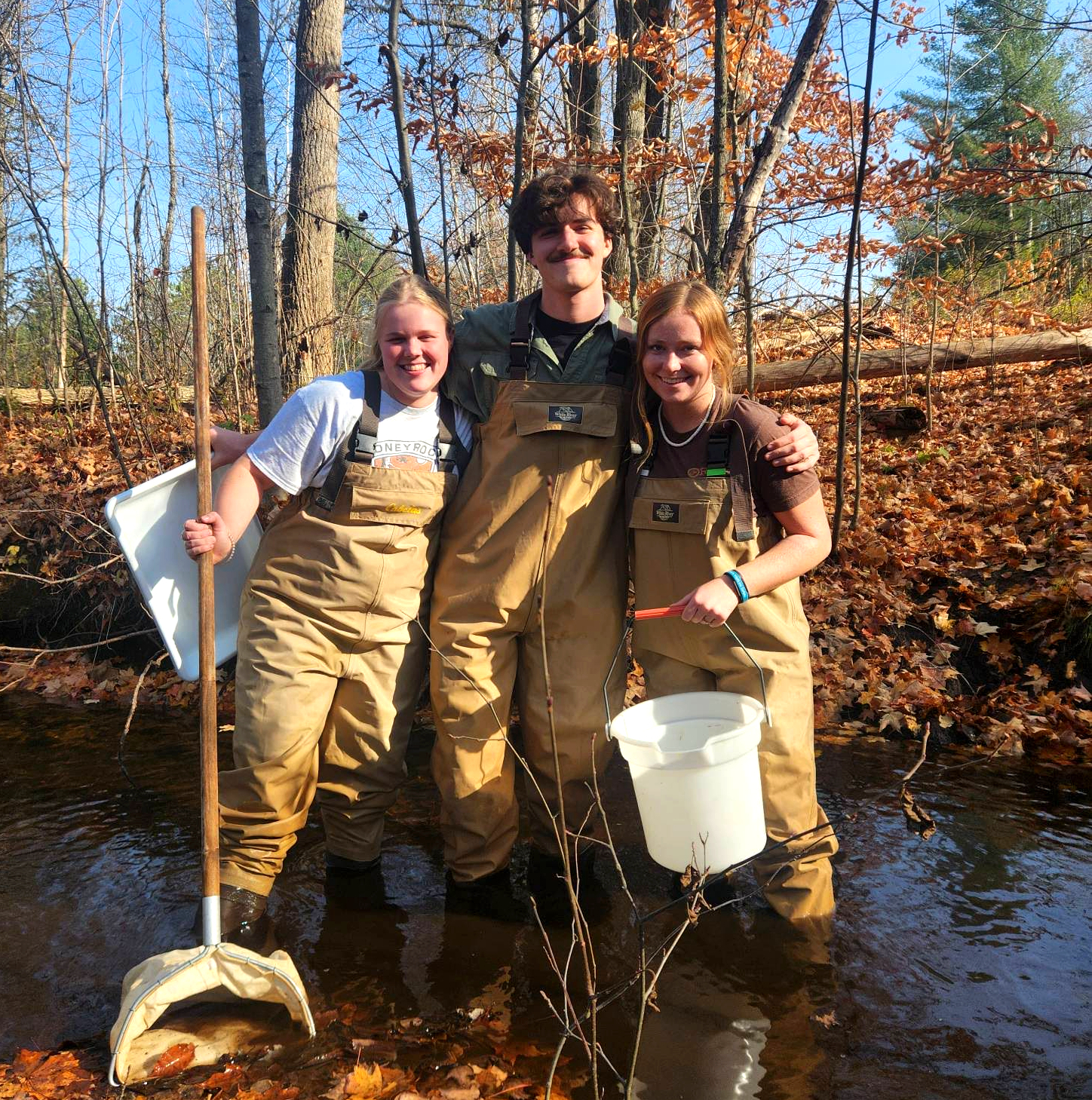
The 2024-2025 ARUSA Interns: Mary Bonnell, Ian Massey, and Sydney Houck (L-R).
What is Place-Based Education?
Place-Based Education emerged as a response to the growing disconnect between students and the environments in which they live. Early educational theorists like John Dewey (1859–1952) emphasized the value of learning through direct experience, especially with the local community and in nature. In the 1990s, David Sobel and other environmental educators helped to shape PBE into a formal approach, highlighting the importance of integrating local history, culture, and ecology into the curriculum.
Place-Based Education connects learning to the immediate surroundings – local landscapes, ecosystems, history, and communities – encouraging students to engage with their environment through hands-on, real-world experiences. Rather than isolating learning to abstract concepts or standardized tests, PBE makes education meaningful by rooting it in the local context, helping students to see the connections between what they study and the world around them.
PBE also helps students form a lasting bond with their local environment, which is crucial for the future of creation care. When children engage with activities like outdoor play, environmental service projects, or the exploration of local ecosystems, they are more likely to develop a sense of ownership of and responsibility for their surrounding ecosystem, fostering a deep love for creation.
As the world faces challenges like climate change, biodiversity loss, and pollution, we must equip the next generation with the knowledge and tools they need to respond. PBE allows students to engage with these global challenges while learning about the immediate issues affecting their communities.
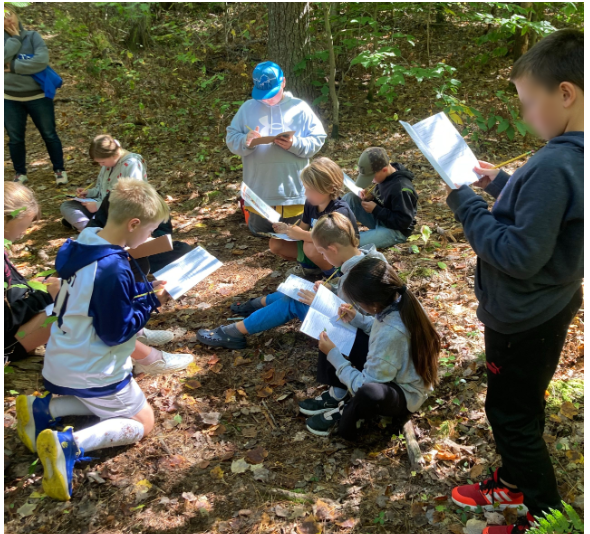
Kids reading educational materials during the Au Sable Institute’s REYS program.
Addressing Placelessness and Building Connection
When education is driven by standardized tests and one-size-fits-all curricula, students miss out on developing an emotional connection with their local community and place. This can lead to “placelessness,” a disconnection from one’s environment that can diminish one’s sense of belonging and of responsibility for local issues. Place-Based Education addresses this problem by focusing on unique aspects of a student’s community and inspiring them to feel connected to and responsible for their communities.
Implementing PBE does come with challenges. The main ones are limited resources, resistance to curriculum changes, and the need for teacher training. However, these challenges can be dealt with by collaborations with local organizations to provide additional resources, expertise, and support. Schools can also start small by integrating local history or environmental issues into existing subjects, then gradually shifting toward a more comprehensive PBE approach over time. Additionally, providing professional development would be a crucial step to equipping educators with the skills and confidence to integrate PBE into their classrooms.
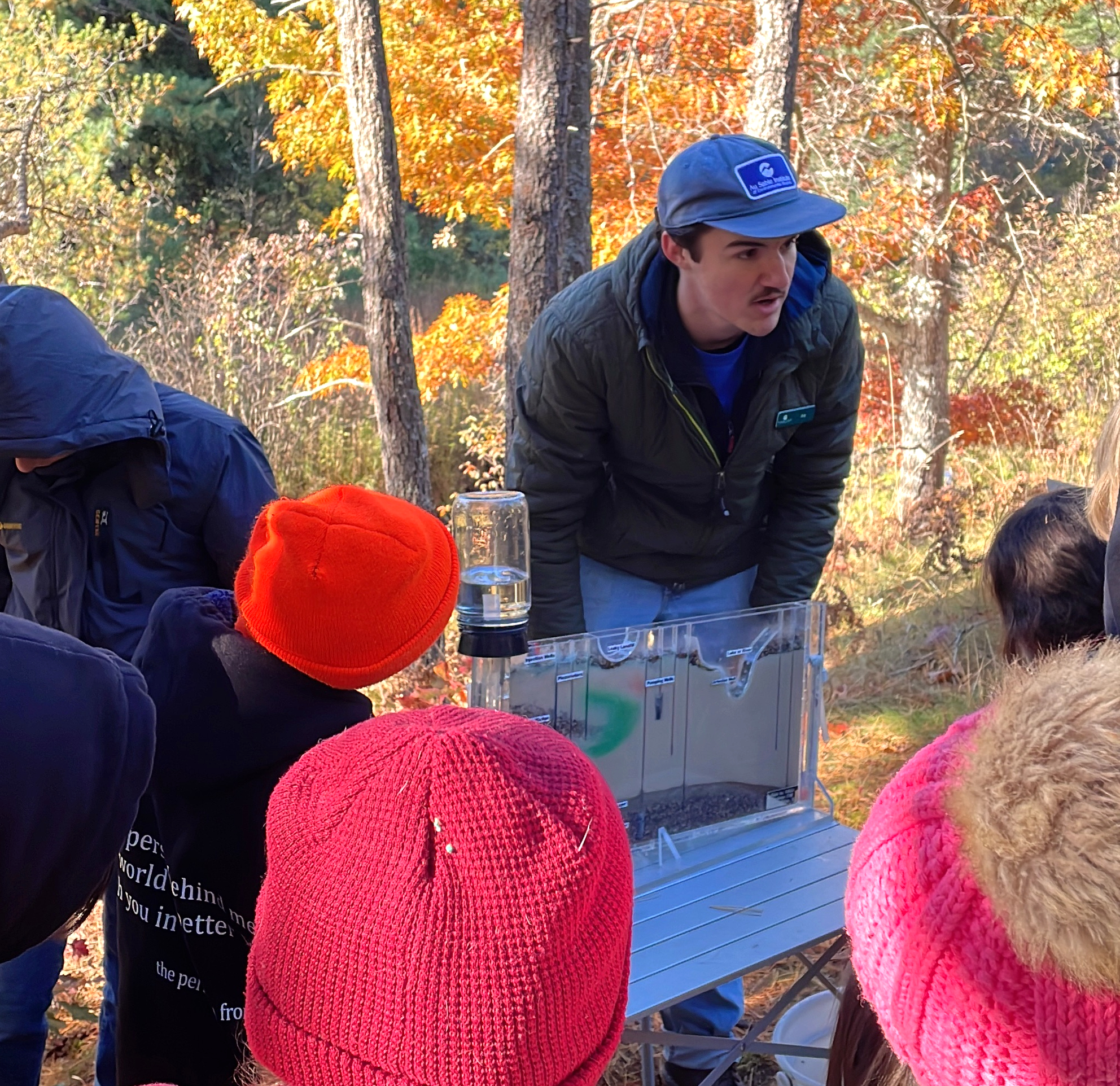
Ian presenting a visual aid to REYS program attendants.
The Au Sable Institute of Environmental Studies
The first three months of my Church and Community Conservation Internship took place at the Au Sable Institute. During that time, I witnessed how PBE is applied in the context of Northern Michigan. The Institute’s Restoration Ecology for Young Students (REYS) program offers a year-long field- and classroom-based initiative for 5th to 8th graders. This curriculum encourages students to take on local environmental challenges through hands-on projects, watershed tours, biodiversity studies, and restoration efforts involving native plants. Since its inception, REYS has facilitated over 30 restoration projects and contributed more than 30,000 native plants to local environments.
This program demonstrates the power of Place-Based Education. REYS students have the opportunity to connect with their local ecosystem, learn about environmental issues, and even implement restoration projects that directly impact their community. By working alongside local schools and organizations, REYS strengthens the bonds between students and their environment, encouraging long-term engagement in conservation efforts. These types of experiences are essential for fostering a deeper sense of responsibility and care for creation.
While programs like this can be difficult to find in certain places, they stand as shining examples of the potential of PBE initiatives to make a meaningful impact in local communities.
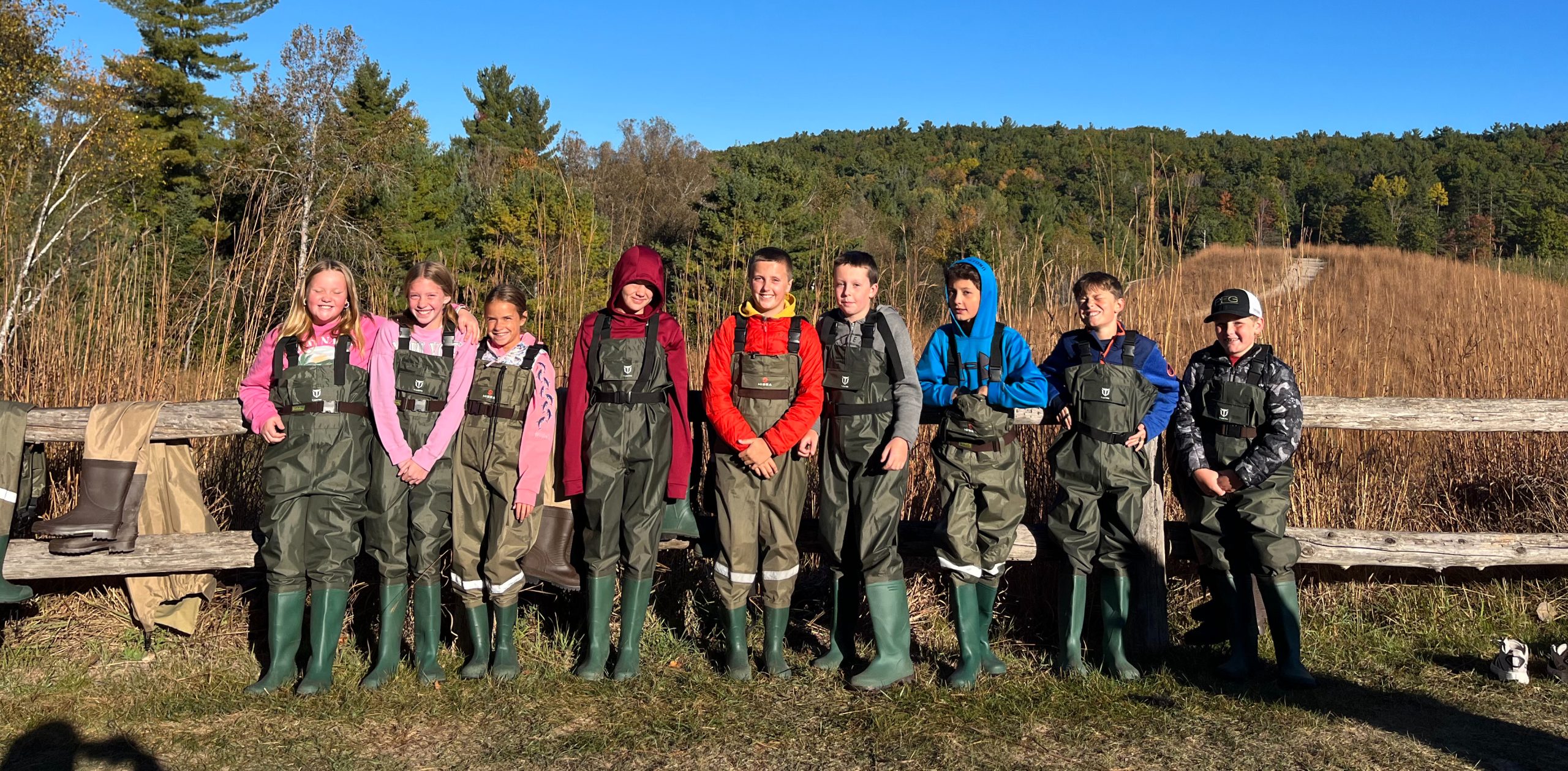
REYS kids prepped for an aquatic adventure!
Building a Sustainable Future with Place-Based Education
By focusing on local communities and ecosystems, PBE nurtures not only academic skills, but also important life skills like responsibility, creativity, and civic engagement, while also cultivating the values of environmental justice and faithful stewardship. These are the same values that A Rocha USA strives to emphasize.
When students develop a deeper understanding of their local environment, they are better equipped to advocate for justice and sustainability, learning to approach global issues like climate change and environmental degradation with practical and experiential knowledge. This local understanding can also make space for a faith that is connected to God’s creation and includes God’s creatures in the holy community, encouraging the application of Christ-like love to the more-than-human world.
As an intern with A Rocha USA, I came to believe that Place-Based Education is more important than ever. It offers a solution to the challenges of disconnected, one-size-fits-all curricula and empowers students to become more engaged, responsible citizens. PBE helps to cultivate critical thinking, creativity, and a deep sense of civic responsibility, all of which are essential skills for the next generation. By reconnecting students to the world around them, PBE can inspire them to care for God’s creation and to advocate for justice and sustainability in all areas of life.
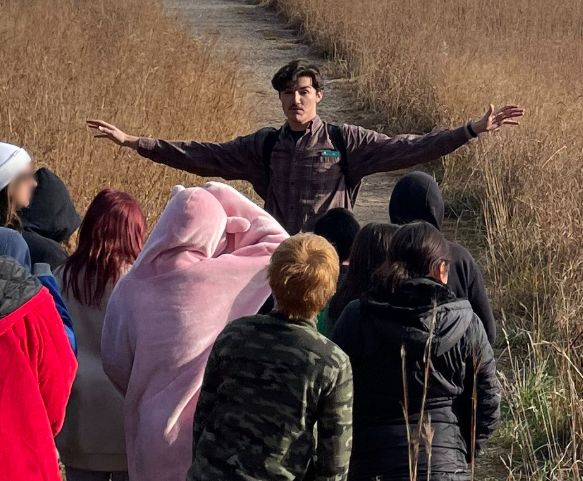
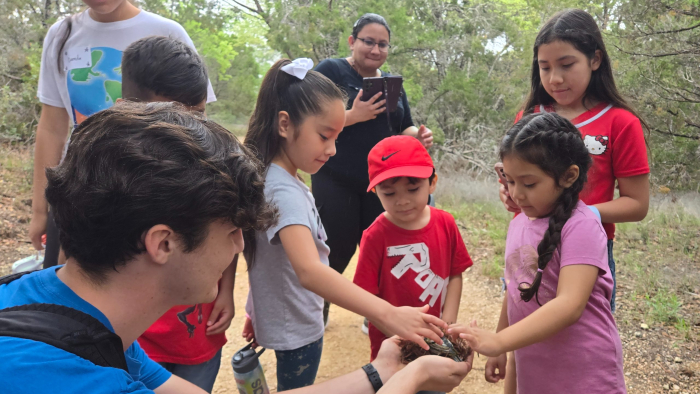
Ian leading an educational hike.
How You Can Support Place-Based Education
- Learn and Share: Explore the natural world around you. Learn about the plants, animals, and history of your area. Share what you learn with others, especially children, to help them develop a deeper connection to their community and the natural world.
- Volunteer: Participate in or organize community clean-up days, tree planting events, or habitat restoration projects. These hands-on experiences help to reinforce the importance of environmental stewardship.
- Advocate: Attend local school board meetings and encourage schools to incorporate Place-Based Education into their curriculum. Share about the benefits of PBE with educators and community leaders.
Click here to learn more about our Conservation Internships, and click here to view 2024-25 Conservation Intern Mary Bonnell’s video about her experience of the program!
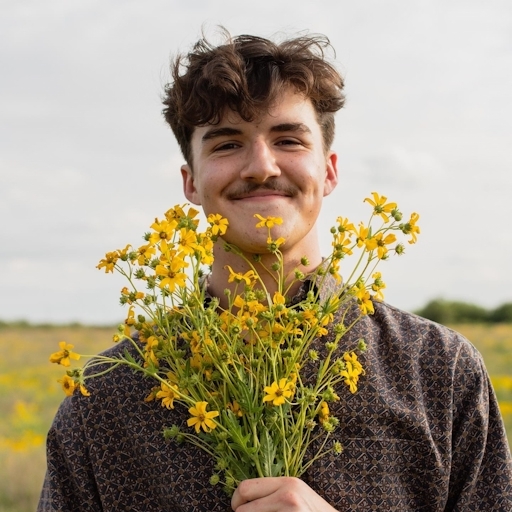
Ian Massey grew up in Fort Worth, Texas, and is a recent graduate of Abilene Christian University, where he studied Environmental Science with a concentration in Wildlife & Natural Resource Management. He is in love with Texas ecosystems and is passionate about preserving them and sharing their beauty with others.
As a 2024/25 intern with A Rocha USA, Ian honed his skills in environmental education and invasive plant removal, while also exploring how to integrate his faith into his future career.
Wahoo! Thanks for all your work Ian!